
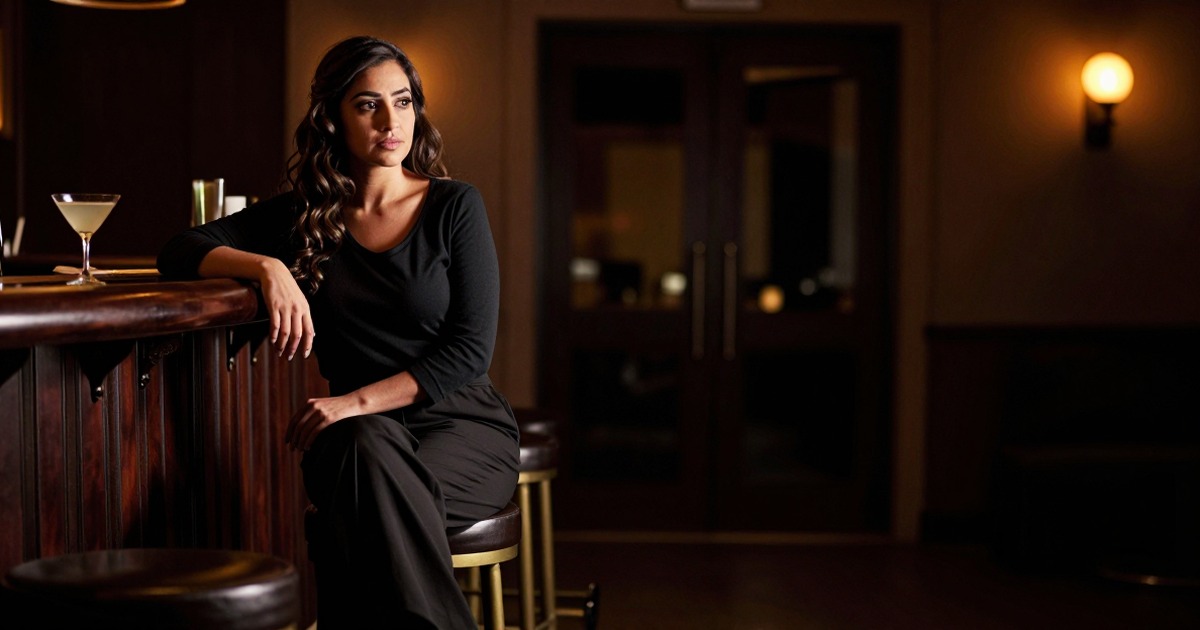
A friend gets AI headshots for LinkedIn. Looks great. Clearly the same person, just with better lighting and a professional background. Nobody would call that deceptive.
Another person uses the same technology for a dating profile. The output shows them 20 pounds lighter, with smoother skin, and a jawline they haven't had since college. They show up to the date looking noticeably different. That's a different conversation.
AI headshot generators can do both. The technology doesn't have a built-in ethics filter. The user draws the line between "professional enhancement" and "deception," and that line matters.
What Counts as Enhancement vs. Deception
Enhancement is making a good photo of the real you. Better lighting. Professional background. Consistent styling. The person in the photo is recognizably, unmistakably you on your best day.
Deception is creating a photo of someone you're not. Significant changes to facial structure, body shape, age appearance, or features. The person in the photo would surprise someone who meets you in person.
The distinction isn't always clean. Some gray areas:
Skin smoothing. Reducing acne in a headshot? Enhancement. Making a 50-year-old look 30? Deception. The threshold is somewhere in between, and it's subjective.
Weight. AI generators trained on your photos produce results at your current weight. But some generators allow "body type" adjustments. Using those adjustments for a dating profile crosses the line.
Hair. Showing your hair styled well? Enhancement. Generating a full head of hair when you're bald? That depends on context.
For a professional headshot, it's your call. For a dating profile where someone will meet you, it's misleading.
The Dating App Problem
Dating apps are where the catfishing concern is loudest, and for good reason. The stakes are different from professional contexts.
On LinkedIn, your photo serves a signaling function. It says "I'm professional and current." Nobody expects to meet you and have you look exactly like your LinkedIn photo in the elevator. Professional photos are understood to be slightly idealized.
On dating apps, your photo is a promise. It says "this is what I look like." People make split-second judgments based on photos. The implicit contract is that the person who shows up matches the person in the pictures.
AI headshots break that contract when they change things that are visible in person: significant weight differences, age appearance, facial structure, or features you can't replicate with good lighting and a shower. There are specific red flags that can get you reported or unmatched on dating platforms.
AI headshots keep that contract when they do what a good photographer does: flattering angles, professional lighting, your best expression caught at the right moment. The difference is that AI does it from selfies in your living room instead of a studio. The key question for many users is whether AI dating photos actually work in real-world dating scenarios.
Where Professional Use Is Clearly Fine
For professional headshots, the ethics are simpler. The purpose of a professional photo is to present yourself as competent, polished, and current. AI generators accomplish this by applying studio-quality lighting, backgrounds, and composition to your actual face.
Nobody accuses you of catfishing when you wear a suit to a job interview. The suit isn't deception. It's context-appropriate presentation. A professional AI headshot serves the same function.
LinkedIn and professional networks need them. Company websites and team pages expect them. Conference and speaker bios require them. Business cards and email signatures look better with them. Professional directories use them.
In these contexts, the photo represents your professional identity. AI enhancement is the equivalent of good grooming, appropriate clothing, and professional photography. It's expected.
The Platform Perspective
Major dating apps are starting to address AI photos in their terms of service. The general stance: photos should accurately represent your current appearance. Some platforms flag AI-generated photos. Others leave enforcement to user reporting.
The practical enforcement is weak. No platform can reliably detect AI-generated photos from quality generators. The enforcement mechanism is social: if your date reports you for not looking like your pictures, that's a terms-of-service issue.
For professional platforms like LinkedIn, there's no restriction on AI headshots. The platform's business model depends on users presenting professional images. AI headshots serve that goal.
A Practical Framework
If you're using AI headshots and wondering if you've crossed a line, apply this test:
The surprise test. If someone who has only seen your photo meets you in person, would they be surprised by what you look like? Minor differences like lighting or slight retouching don't count. Structural differences like face shape, weight, or age do.
The purpose test. Is the photo meant to represent you, or a better version of you? Professional contexts have more tolerance for idealization. Personal contexts have less.
The reversibility test. Could you achieve this look with good grooming, appropriate clothing, and professional photography? If yes, the AI is doing what a photographer would do. If no, the AI is doing something a photographer can't do, and that's where questions start.
How to Get Honest AI Headshots
The simplest way to stay ethical: use a generator that trains on your actual photos and doesn't allow body or feature modifications.
At Narkis.ai, the model trains specifically on the photos you upload. The output reflects your actual face, features, and body. The AI improves lighting, background, and composition. It doesn't change who you are.
Additional tips:
Upload recent photos. Don't use photos from five years ago to generate headshots that look like you used to look.
Upload photos with good, honest lighting. Natural light, face clearly visible. What you give the AI is what you get back.
Select outputs that look most like you, not most flattering. There's a difference.
If you're using the photos for dating, pick the ones where someone would recognize you on the street.