
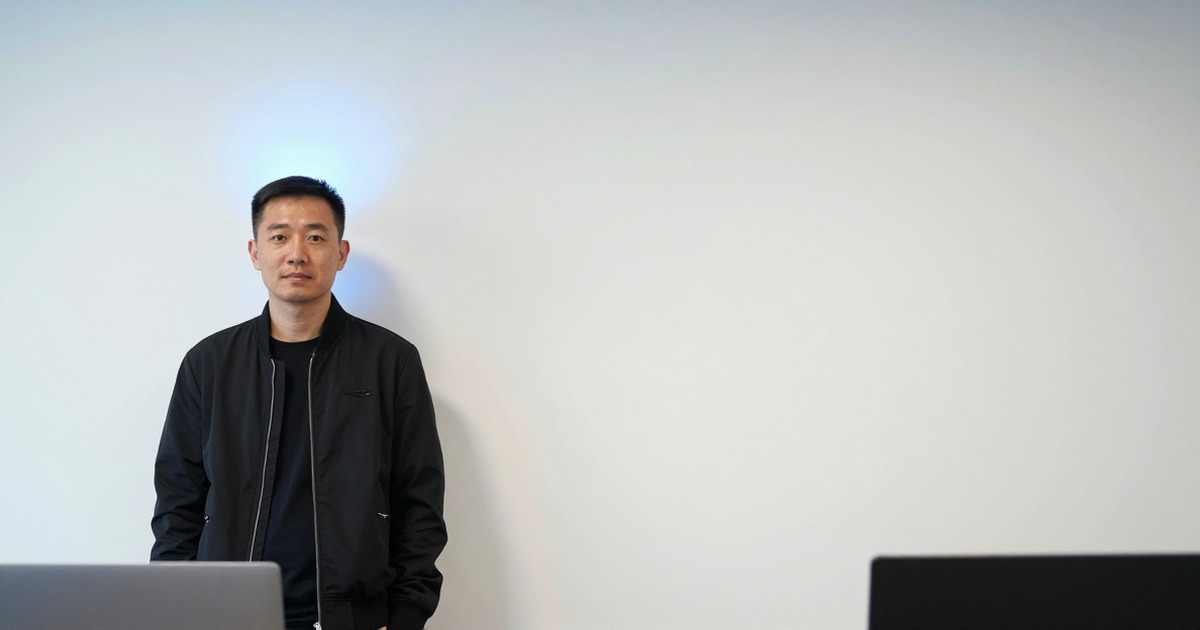
The future of professional headshots is no longer a conversation about whether AI will play a role. That debate is settled. AI-generated headshots have moved from novelty to mainstream, with millions of professionals now using them across LinkedIn, company websites, and digital portfolios. The real question now is: what comes next? The answer involves video, personalization at scale, evolving ethics, and a fundamental rethinking of what a "professional image" actually means.
This is not a story about one technology replacing another. It is a story about professional visual identity becoming more dynamic, more contextual, and more integrated into how we communicate online.
Video Headshots: The Next Frontier
Static profile photos have dominated professional networking for two decades. But the shift toward video is already underway.
LinkedIn experimented with profile video features as early as 2021, allowing users to upload short video introductions tied to their profile photo. While adoption was modest at first, the underlying trend is accelerating. Platforms are increasingly built around motion. TikTok changed consumer expectations. Zoom normalized seeing colleagues on camera. The logical next step for professional profiles is a headshot that moves.
Several AI companies are already exploring looping video portraits, short clips where a professional appears to make subtle natural movements like blinking, slight head turns, or a brief smile. These sit somewhere between a static photo and a full video introduction. They catch attention in a feed without requiring the viewer to press play.
The technology is not hypothetical. Generative video models can already produce photorealistic short clips from a single image. The quality gap between a real video clip and an AI-generated one is closing rapidly. Within the next 12 to 18 months, expect to see platforms begin supporting animated or video profile images as a standard option.
For professionals, this raises a practical question: will you need a video headshot alongside your static one? The answer is likely yes, at least for platforms that support it.
From One Perfect Photo to Consistent Visual Identity
The old model was simple. You booked a photographer, spent an hour in a studio, picked your best shot, and used that single image everywhere for the next three to five years.
That model is breaking down for several reasons.
First, professionals now appear across far more platforms than before. LinkedIn, company websites, Slack, Zoom backgrounds, conference speaker pages, podcast listings, email signatures, and internal directories all require a photo. Using the exact same tightly cropped headshot everywhere feels repetitive. Using different photos from different years feels inconsistent.
Second, the corporate shift toward AI photography means companies are thinking about visual consistency at the organizational level, not just the individual level. When a company can generate cohesive headshots for an entire team with matching lighting, backgrounds, and style, the expectation for what "professional" looks like rises for everyone.
The future is not one perfect photo. It is a visual identity system: a set of images (and eventually videos) that feel cohesive across every touchpoint. Think of it as personal branding applied to imagery, consistent enough to be recognizable, varied enough to feel natural.
AI Headshots: From Novelty to Infrastructure
Two years ago, AI headshots were a curiosity. People tried them out of interest, shared them on social media, and debated whether they looked "real enough." That phase is over.
AI headshots are now infrastructure. They are built into onboarding workflows at companies that need consistent team photos. They are the default choice for job seekers who need a professional image quickly. They are used by freelancers updating their profiles across multiple platforms simultaneously.
The numbers tell the story. The AI headshot market has grown significantly year over year, and adoption is no longer concentrated among early adopters or tech workers. Professionals across industries, from healthcare to finance to education, are using AI-generated photos as their primary professional image.
What is changing now is the sophistication of the output. Early AI headshots had a "sameness" to them, a certain smoothness or uniformity that made them identifiable. Current models produce results that are genuinely competitive with professional photography in terms of quality, while offering advantages in speed, cost, and variety.
The next evolution is context awareness. Rather than generating a generic "professional headshot," AI systems are moving toward producing images tailored to specific use cases. A headshot for a law firm bio looks different from one for a startup pitch deck, which looks different from one for a creative agency portfolio. The technology is catching up to the reality that "professional" is not one look.
Personalization Beyond the Professional-Casual Binary
For years, headshot services offered two modes: formal and casual. Suit or no suit. Studio backdrop or outdoor setting. That binary no longer reflects how professionals actually present themselves.
The demand is for granular personalization. Professionals want images that match specific contexts:
- Industry-appropriate: A tech founder wants something different from a financial advisor
- Platform-specific: What works on LinkedIn does not necessarily work on a personal website or a conference bio
- Seasonal and timely: Updating imagery to reflect current appearance, hairstyle, or personal brand evolution
- Role-specific: The same person might need a corporate headshot, a speaking engagement photo, and a casual team page image
AI makes this level of personalization practical for the first time. Generating five variations for five different contexts from the same set of input photos takes minutes, not multiple studio sessions. This is not about vanity. It is about matching the right visual impression to the right audience.
Privacy and Ethics: The Shifting Landscape
The ethical conversation around AI headshots has matured considerably.
Early concerns focused on deception: is it dishonest to use an AI-generated photo? That question has largely been resolved by market consensus. Most professionals and employers now view AI headshots the same way they view professionally retouched photos. They are an enhanced version of reality, not a fabrication.
The newer ethical questions are more nuanced:
Data handling: Where do your uploaded photos go? How long are they stored? Are they used to train future models? These questions matter more as AI headshot services process millions of faces. Reputable services are transparent about data practices, but the industry as a whole still lacks standardized privacy frameworks.
Bias in generation: AI models can inadvertently alter skin tones, facial features, or body types to match learned patterns of what "professional" looks like. The best services actively work to preserve individual characteristics rather than normalizing them, but this remains an ongoing technical and ethical challenge.
Consent and likeness: As generative AI becomes more powerful, the line between "enhancing your photo" and "creating a synthetic version of you" continues to blur. Professionals should understand what they are consenting to when they upload their images to any AI service.
The broader industry data shows that these concerns are being addressed through market forces. Services that handle data responsibly and produce authentic results are winning. Those that do not are losing trust.
The Photography Industry: Adapting, Not Dying
The narrative that AI will kill professional photography is both persistent and wrong.
What is actually happening is more interesting. Professional photographers are adapting in several ways:
Moving upmarket: High-end portrait photographers are emphasizing the experience, the creative direction, and the artistry that AI cannot replicate. A two-hour session with a skilled photographer who understands lighting, expression, and personal branding delivers something qualitatively different from even the best AI output.
Incorporating AI tools: Many photographers now use AI-powered editing tools, background replacement, and retouching in their own workflows. The technology is making photographers more efficient, not obsolete.
Specializing in what AI cannot do: Group photos, environmental portraits, action shots, and images that require physical presence and real-world staging remain firmly in the domain of human photographers.
Offering hybrid services: Some studios now offer packages that combine a brief in-person session with AI-generated variations, giving clients both the authenticity of a real shoot and the versatility of AI output.
The photography industry is not shrinking. It is restructuring. The commodity end of headshot photography, basic studio shots with minimal creative direction, is under pressure. The creative and experiential end is thriving.
What to Expect in the Next Two Years
Based on current trajectories, here is what professionals should prepare for:
-
Video profile options will expand: More platforms will support animated or video profile images. Having a video headshot will become a competitive advantage before it becomes standard.
-
Visual identity packages will replace single headshots: Services will increasingly offer sets of images designed to work together across platforms, not just one hero shot.
-
Real-time generation will arrive: Rather than uploading photos and waiting, expect near-instant headshot generation integrated directly into platform profile editors.
-
Industry-specific styling will become default: AI systems will automatically suggest styles based on your industry, role, and target audience.
-
Ethical standards will formalize: Expect clearer labeling norms, standardized data handling practices, and potentially regulatory guidance on AI-generated professional imagery.
The future of professional headshots is not about choosing between AI and traditional photography. It is about having more tools, more options, and higher expectations for how professionals present themselves visually. The winners will be those who treat their professional image as a living, evolving asset rather than a static checkbox.
Frequently Asked Questions
What are video headshots and how do they work?
Video headshots are short, looping video clips used in place of or alongside static profile photos. They typically show subtle natural movements like blinking or slight head turns. Some are filmed with a camera, while newer versions can be generated by AI from a single still photo. They are designed to catch attention on professional platforms without requiring the viewer to actively play a video.
Will LinkedIn support video profile photos?
LinkedIn has experimented with video features tied to profile photos in the past and continues to expand its video capabilities. While there is no confirmed launch date for animated profile photos, the broader industry trend toward motion content makes it likely that LinkedIn and similar platforms will offer expanded video profile options in the coming years.
Are AI headshots considered acceptable for professional use in 2026?
Yes. AI headshots have moved well beyond the experimental phase and are now widely accepted across industries. Companies use them for team pages, professionals use them on LinkedIn and personal websites, and recruiters generally do not distinguish between AI-generated and traditionally photographed headshots as long as the image accurately represents the person.
Will AI headshots replace professional photographers entirely?
No. The data consistently shows that professional photography is adapting rather than disappearing. High-end photographers are moving toward more creative and experiential offerings, while incorporating AI tools into their own workflows. The commodity segment of basic headshot photography faces the most pressure, but the overall industry is restructuring rather than collapsing.
How should I prepare for the future of professional headshots?
Start thinking about your professional image as a system rather than a single photo. Consider having multiple headshot variations for different platforms and contexts. Stay current with your imagery, updating at least annually. And pay attention to emerging formats like video profiles so you can adopt them early when platforms begin supporting them.